

 1-877-999-8489


2026
Secure Yard and Trailer Storage: Handling Overflow Freight Without Adding Warehouse Space
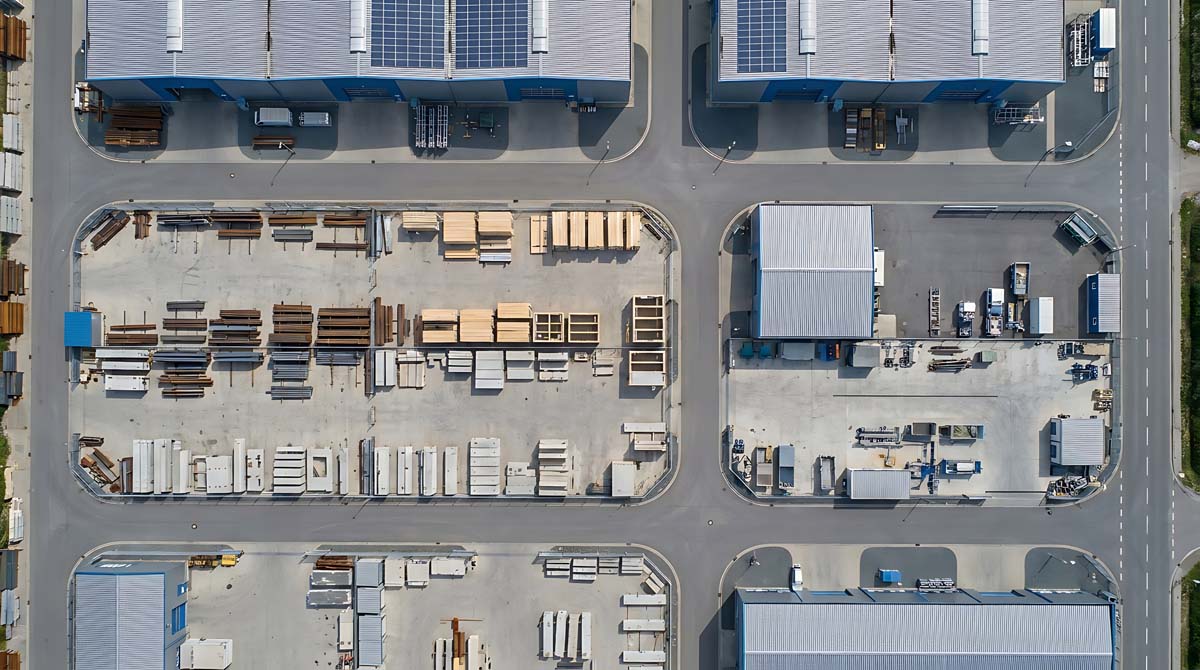
Not everything needs a roof. A great deal of what sits inside warehouses in Calgary is there because the business needed somewhere to put it, not because the product required a heated, racked, sprinklered building.
That distinction is worth money. Enclosed warehouse space is the most expensive storage a business can buy, and it should be reserved for the inventory that actually needs it. Freight that tolerates weather, freight that is too large to rack, and freight that will not move for months are all candidates for somewhere cheaper, and the alternatives are better than most businesses realise.
Two Different Products, Often Confused
Yard storage and trailer storage get mentioned together and they solve different problems.
Yard storage is open, secured ground. Freight sits on it directly, on racks, in crates, in bundles or on its own wheels. It suits material that is weather tolerant and often oversized, and it is the cheapest storage available because there is no building to pay for.
Trailer storage means your goods sit in a trailer parked on a secured yard. It is enclosed and dry, it can be loaded and unloaded at your own pace, and the whole unit can be moved when you need it somewhere else. It sits between yard storage and warehouse space on both cost and capability, and for seasonal overflow it is frequently the right answer.
Neither requires a lease, which is the point. Both can be taken for a season and given back.
What Belongs in a Yard
In practice the material that works well outdoors is more varied than people expect:
- Glass racks, oversized crates and door and window inventory, which are awkward to rack and tolerate exposure on proper racks
- Lumber and building material bundles, which are shipped and stored outdoors as a matter of course
- Oversized equipment and specialty heavy machinery that will not fit through a dock door
- Film and production equipment between shoots, where the requirement is secure space rather than climate
- Bulk materials that do not need enclosure
- Tractor trailers and loaded trailers staged between legs of a move
- Containers waiting to be destuffed, or loaded containers holding product that is not needed yet
What does not belong outdoors is equally clear. Anything moisture sensitive, anything that freezing would damage, anything in cartons that will not survive weather, and anything food grade all need the building. The useful exercise is sorting your inventory into those two groups rather than treating it as one.
Our secure yard storage in Rocky View sits on an eight acre property with roughly three acres available for yard use, fully fenced and gated, with trained security staff on site and CCTV covering the entrances and the yard itself.
Security Is the Whole Question
Outdoor storage is only cheaper if the freight is still there when you come back for it, which is why the security arrangements deserve more scrutiny than the rate.
The things that actually matter are physical and specific. Perimeter fencing that is continuous rather than mostly there. A gate that is controlled and logged rather than open during business hours. Camera coverage that includes the entrance points and the yard, with recordings retained long enough to be useful. People on site rather than a monitoring contract alone. And a record of who entered, when, and what they took, because the most common loss in a yard is not a break-in.
There is an insurance dimension as well that businesses regularly overlook. Your policy may treat goods stored off site, outdoors, differently from goods in your own building, and the limits and conditions can be meaningfully different. Checking that before product moves is a five minute conversation with your broker and occasionally changes the plan.
When Trailer Storage Is the Better Fit
Trailers come into their own in a few recurring situations.
Seasonal inventory is the clearest. A business whose volume triples for one quarter does not need year-round warehouse space sized for the peak. Trailers absorb the peak and go away afterwards, which converts a fixed cost into a seasonal one.
Staged outbound freight is the second. Where orders are built in advance of a shipping window, loaded trailers waiting on a secured yard keep the dock clear and mean the departure is a matter of hooking up rather than loading.
A third case is the awkward one: a business between facilities, mid-move, or waiting on a construction completion that has slipped. Trailers are the most flexible answer available when the timeline is uncertain, because nothing about the arrangement assumes a date.
They also work well alongside the building rather than instead of it. Storage trailers holding slow-moving stock free up racking for the inventory that turns, which is usually a better use of the pallet positions you are already paying for.
The Operational Details to Settle First
Yard and trailer storage arrangements go wrong on logistics rather than on price, and the questions are practical.
Access is the first. What hours can you get to the freight, how much notice is required, and who is permitted to collect it. A storage arrangement you cannot reach on a Saturday is a problem if your business needs Saturdays.
Then the handling. Who moves the trailer when it needs moving, and is a tractor available on site. Can a forklift reach the freight where it sits, and is the ground surface suitable for one when it is wet. Does the yard drain, or does spring thaw put your material in standing water.
Winter deserves its own set of questions in Alberta. Who clears snow, how quickly, and does the clearing plan account for getting a trailer out rather than just getting a pickup in. Freight stored outdoors through a Calgary winter needs to be either genuinely weather tolerant or inside a trailer, and the distinction is not always obvious until February.
Finally, the exit. What notice is required to end the arrangement, and what happens if you need the space for longer than planned. Flexibility in both directions is most of the value of not signing a lease.
Where It Fits Against the Alternatives
The comparison that matters is not yard storage against warehouse storage in the abstract. It is yard storage against what you are currently doing.
Businesses solve overflow in a few predictable ways. They rent additional warehouse space, which is expensive and committed. They stack product in their own yard without proper security, which works until it does not. They push inventory back onto suppliers or hold off ordering, which trades a storage cost for a service cost. Or they fill the aisles and the dock, which slows every other operation in the building.
Against all four, secured yard or trailer space at a facility with the equipment to handle it is usually both cheaper and lower risk. It is particularly so when the same site can also receive, store and ship the product that does need the building.
That combination is the practical argument. A provider with cross-docking, enclosed warehousing and yard space on one property can move freight between all three as the season changes, without a second vendor and without a freight leg between them.
Talk to Our Calgary Team
Pacific Coast Distribution has operated since 1999 with facilities in Langley and Calgary. The Calgary site at 510 Carmek Blvd SE in Rocky View combines 60,000 square feet of SQF and HACCP certified ambient warehousing with an eight acre fenced and gated property, trained security on site, 24/7 camera monitoring and our own fleet.
Tell us what needs storing, how long for and how often you need to reach it, and we will tell you whether it belongs in the yard, in a trailer or in the building. Call 1-877-999-8489 or get in touch.