

 1-877-999-8489


2026
Container Stuffing and De-Stuffing Best Practices for Calgary’s Logistics Teams
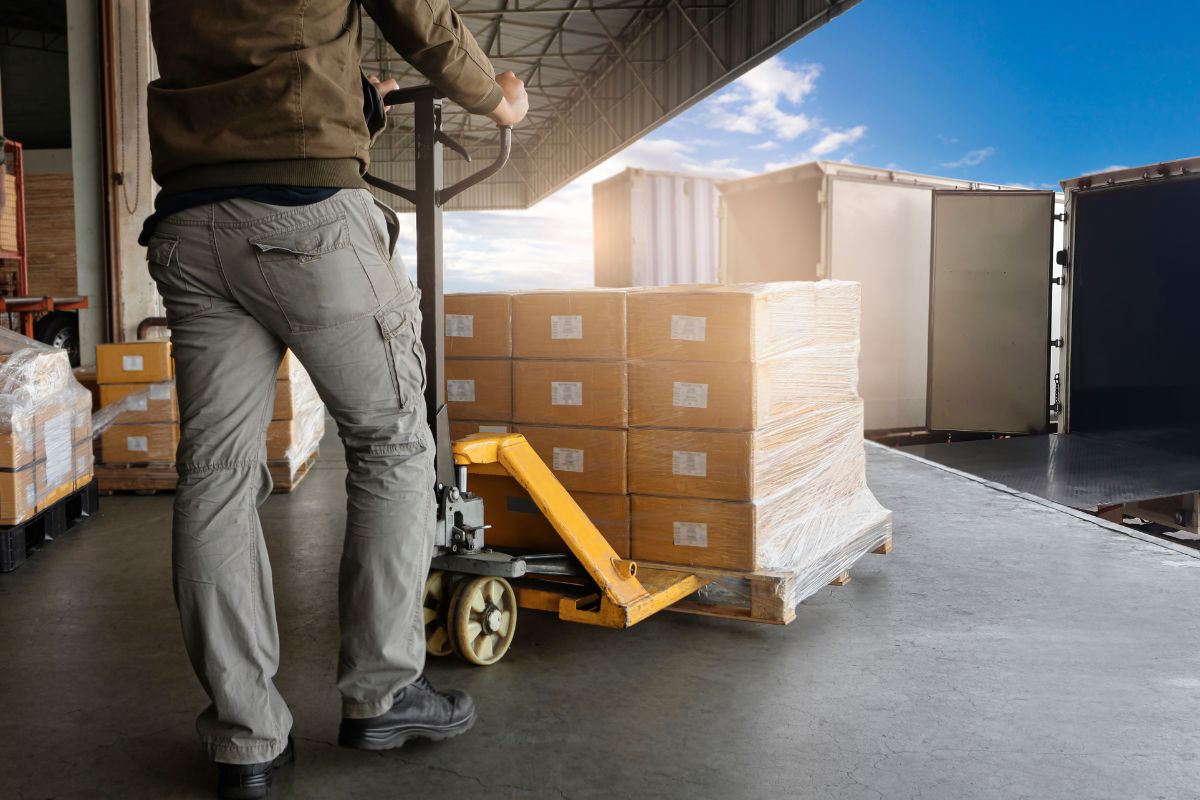
In a growing market like Calgary, many businesses depend on consistent stuffing and de-stuffing to maintain a steady supply chain flow. But how does the process work? We’ve outlined the main steps below.
Protecting Freight With Smart Container Stuffing Strategies
The first priority during container stuffing is stability. That is why every piece of freight should be smartly organized to keep the load secure once the container is closed and lifted onto a chassis.
This step is critical because a poorly balanced load can shift quickly. Which means even light vibration experienced on Alberta’s highways can cause boxes to collapse or pallets to lean.
A structured approach helps prevent that. Crews start by mapping out the load pattern, taking weight distribution, product fragility, and pallet sizes into account. Some of the key considerations during stuffing include:
- Keep heavier pallets on the floor and lighter items stacked higher.
- Use dunnage, strapping, or blocking to keep pallets from shifting.
- Maintain tight rows to eliminate gaps that increase movement risk.
These small steps support safer transport and reduce freight claims, especially for Calgary businesses shipping industrial equipment, consumer products, or construction supplies.
Efficient De-Stuffing That Reduces Damages and Labour Time
When containers arrive in Calgary yards, the rush to unload often causes preventable issues. For example, damaged cartons usually come from cutting the shrink wrap too quickly or pulling freight before stabilizing the surrounding stack.
This is why efficient de-stuffing is less about speed and more about sequencing.
A strong unloading routine starts with a deliberate inspection of the container. Crews check the doors, floor, and visible pallet layout before stepping inside, watching for any tilt or pressure that signals a shifted load.
From there, the team can follow a steady de-stuffing sequence that keeps the process controlled and predictable. The goal is to remove pallets in a rhythm that maintains stability inside the container and reduces unnecessary movements on the dock. This is done through:
- Starting with the most accessible pallets and working in a consistent left-to-right or front-to-back pattern.
- Stabilizing any leaning stacks before cutting shrink wrap to prevent collapse.
- Keeping forklifts, pallet jacks, and staging areas ready so pallets can move out without delay.
Sorting freight as it’s removed to avoid double-handling later.
These steps help Calgary teams unload faster while keeping product damage and labour waste to a minimum.
Container Stuffing and De-Stuffing Keeps Calgary Freight Moving Smoothly
Container stuffing and de-stuffing may seem like routine warehouse tasks, but they hold enormous influence over freight safety, operational speed, and overall supply chain efficiency.
For businesses looking to streamline operations, partnering with a Calgary warehouse that prioritizes these best practices can make day-to-day shipping significantly easier.
The Pacific Coast Distribution Calgary Warehouse is a state of facility providing full-service transportation and warehouse storage services to manufacturers across Canada and the US.
Our asset-based freight transportation, industry knowledge, and strategic location can vastly improve your supply chain and distribution services.