

 1-877-999-8489


2026
Container Destuffing in Calgary: What Happens Between the Intermodal Ramp and Your Pallet Positions
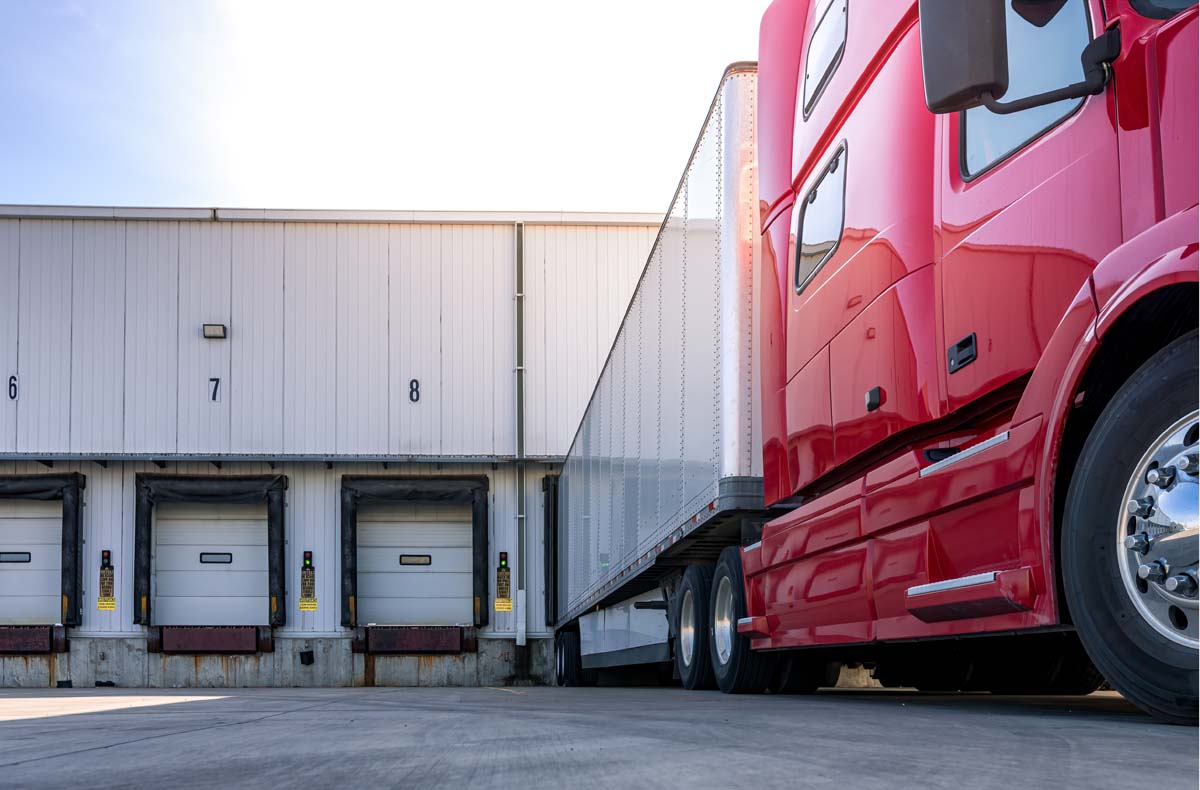
An importer in Calgary rarely sees the ocean part of the journey. What they see is a notification that a container has arrived at an intermodal terminal in the city, a window of free time that has already started counting down, and a decision to make about how the thing gets emptied.
That short final leg is where a surprising share of import cost either accumulates or gets avoided. The ocean rate was negotiated months ago and is fixed. The charges that follow the container's arrival in Calgary are the ones still in play, and they are driven almost entirely by how fast it is turned around.
How the Container Gets Here
Most import containers reaching Calgary arrive by rail rather than by road. They come off a vessel at a west coast port, move inland on a double-stack train, and are lifted off at one of the intermodal terminals serving the Calgary region.
From the importer's perspective the important consequence is that the container becomes available at a moment determined by the railway's schedule rather than by yours. Notification can come with little warning, and it can come on a Friday. The clock on free time starts at availability, not at the moment anyone is ready to deal with it.
A smaller volume arrives by truck, either transloaded at the port into a domestic trailer or drayed the whole way. Transloading at the coast is a legitimate strategy, since it lets the contents of several ocean containers be consolidated into fewer larger domestic trailers and frees the ocean equipment immediately, but it adds a handling step and its own cost.
The Charges That Accumulate While Nothing Happens
Three separate clocks run once a container is available, and importers regularly discover them in the wrong order.
Demurrage, sometimes called storage, accrues when the container sits at the terminal beyond its free time. It is charged per container per day and it escalates in tiers, so the second week costs considerably more per day than the first.
Detention, or per diem, accrues once the container has left the terminal and is sitting at your facility beyond the allowed free days. This is the one that catches businesses who congratulate themselves on getting the box out of the terminal quickly and then take a week to unload it.
Chassis rental runs alongside detention wherever the chassis is supplied rather than owned, and it accrues on the same basis.
None of these are negotiable after the fact and all of them are avoidable with planning. The practical lesson is that the cost of a container sitting is high enough that paying for labour to unload it promptly is nearly always the cheaper option.
The Three Ways to Get It Emptied
There are really only three approaches, and the right one depends on your facility and your timing.
A live unload means the truck brings the container, waits while it is emptied, and takes it back. It is the fastest route and it avoids detention almost entirely, but it requires a dock, the labour on hand at the appointed time, and a free dock door for however long the unload takes. It also means paying for the driver's waiting time, which is reasonable when the unload is quick and expensive when it is not.
A drop and pick means the container is left on your site and collected later. This is more flexible and it starts the detention clock. For a floor-loaded container that will take most of a day to unload, it is usually the sensible choice provided the free days cover it.
The third approach is to send the container to a third party who has the dock capacity, the labour and the equipment on hand. The container is destuffed on arrival, the equipment is returned promptly, and the goods go straight into storage. For importers without a suitable dock, or whose own facility is already running at capacity, this is the lowest total cost route and usually the lowest risk one.
That is what container stuffing and destuffing at a warehouse is for. The container gets emptied the day it arrives and the goods stay in the building, which removes both the demurrage exposure and the second freight leg.
Floor Loaded Versus Palletised
This distinction determines how long the work takes and what it costs, and importers often do not know which they are getting until the doors open.
A palletised container is unloaded with a forklift in well under an hour. A floor-loaded container, where cartons are stacked by hand from the floor to the roof, is manual work throughout and can occupy two people for most of a day on a forty foot high cube.
Floor loading is common on imports from Asia because it maximises the volume in the box and the labour at origin is cheap. The cost moves to the destination rather than disappearing. If you are floor loading to save on ocean freight, it is worth doing the arithmetic on what the destination labour and the extra equipment time actually come to, because the saving is sometimes smaller than it appears.
There is also the palletising question. Goods arriving floor loaded generally need to be palletised to go into racking, and whether that happens during the destuff or as a separate pass makes a material difference to the total handling cost. Doing it once, as the container is emptied, is considerably cheaper than stacking it on the floor and palletising later.
What to Have Ready Before the Container Arrives
Destuffing goes wrong in predictable ways, and almost all of them are information problems:
- A packing list with carton counts and what is in each, so that a discrepancy is identified at the container rather than three weeks later
- Confirmation of whether the load is floor loaded or palletised, and the pallet dimensions if palletised
- Carton and pallet weights, since weight determines equipment and sometimes determines how a trailer can be loaded for the onward leg
- Instructions on whether goods need to be palletised, restacked, labelled or sorted during the unload
- Any food grade, handling or temperature requirements, which have to be known before the product is in the building rather than after
- The free time on both the container and the chassis, and the terminal's cut-off for returning equipment
- Where the empty container has to be returned to, which is not always where it came from
The last item causes more trouble than it should. Return locations change, and a container trucked to the wrong depot comes back and starts accruing charges again.
Count and Condition at the Door
The moment the container is opened is the only opportunity to document what actually arrived, and it does not come again.
A proper destuff records the seal number and whether it was intact, the condition of the load as the doors opened, the carton count against the packing list, and photographs of any damage, water staining, crushing or shifted cargo. That record is what supports a claim against the carrier or the supplier, and without it a shortage or damage discovered later is almost always absorbed by the importer.
This is worth specifying as a requirement rather than hoping for. A warehouse unloading a container without documenting the count is saving twenty minutes and exposing you to the entire value of a discrepancy.
Where the Yard and the Dock Fit
Sometimes the right answer is not to unload immediately. A container of product that is not needed for six weeks, and that does not require enclosed storage, can sit in a secure yard considerably more cheaply than its contents can occupy racking. Our secure yard storage in Rocky View is fenced, gated and monitored, with trained security on site, which makes that a real option rather than a compromise.
At the other end, product that is already committed to a customer does not need to be stored at all. Cross-docking takes the goods from the container straight onto an outbound trailer, which removes a putaway, a pick and a storage charge from the sequence.
Talk to Our Calgary Team
Pacific Coast Distribution has been handling warehousing and transportation since 1999, with our Calgary operation at 510 Carmek Blvd SE in Rocky View. The site combines 60,000 square feet of SQF and HACCP certified ambient warehousing with an eight acre secured property and our own fleet, so the drayage, the destuff and the storage happen under one roof rather than across three vendors.
Tell us when the container lands, what is in it and how it is loaded, and we will tell you what the unload looks like and what it costs. Call 1-877-999-8489 or request a rate quote.