

 1-877-999-8489


2026
Back to Business: How Calgary's Fall Economy Relies on Efficient Supply Chains
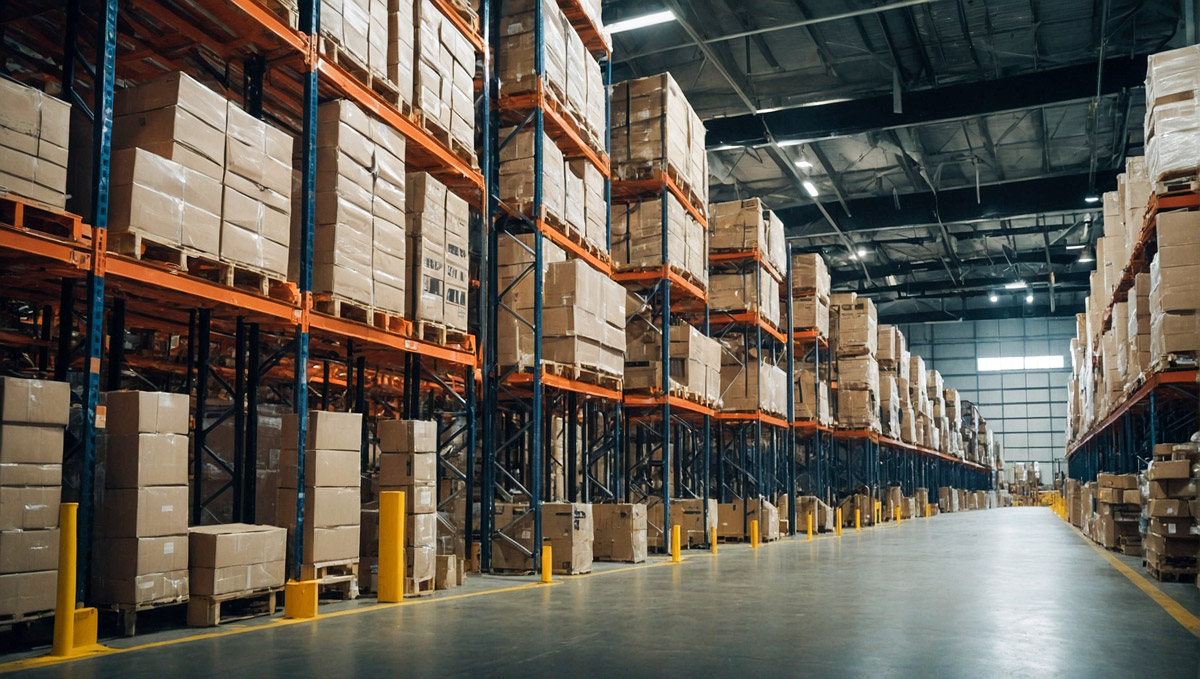
There is a particular week in Calgary, usually the one right after the Labour Day long weekend, when the whole city seems to change gears at once.
The Stampede grounds have been quiet for a month. School buses reappear on Deerfoot and Glenmore. The Spruce Meadows Masters brings international visitors south of the city. Combines are running flat out across the counties east and south of town while the weather holds. And in every industrial park from Foothills to Rocky View County, the trucks start earlier and the docks stay busy later.
Calgary's fall is not just a change in season. It is the busiest and most economically consequential stretch of the year for an enormous number of local businesses, and almost all of it depends on things arriving on time.
The Harvest Sets the Pace for Everything Else
Southern Alberta's harvest window is short and unforgiving, and when it opens, everything else in the region moves around it.
Canola, wheat, barley, and pulses come off the fields across Wheatland County, Rocky View, and down toward Lethbridge on a schedule dictated by moisture and frost rather than by anybody's calendar. That crop needs storage, transport, and in many cases processing before it reaches a domestic buyer or a port. Trucks that spend the summer moving consumer goods get pulled into grain hauling. Capacity across the region tightens noticeably, and rates follow.
The knock-on effects reach businesses that have nothing to do with agriculture. A Calgary retailer waiting on fall inventory is competing for the same trailers and the same drivers as a grain hauler working against first frost. Companies that arranged their fall freight in July generally get what they planned for. Companies that call in mid-September often do not.
It is also the season when Alberta's food processors run hardest, taking raw product and turning it into something that will sit on a shelf months from now. That transition from field to package to store depends on food grade warehousing that can hold product safely between stages, under the certifications that retailers and regulators expect.
Local Retail Bets Its Year on the Next Ninety Days
Walk through the Calgary Farmers' Market on a Saturday in October, or through the makers' section at any of the fall craft fairs around the city, and you are looking at businesses whose annual results are being decided in real time.
For most independent retailers and consumer brands in Calgary, the stretch from Thanksgiving through the end of December delivers a disproportionate share of the year's revenue. The margin for error is thin. A shipment of product that arrives three weeks late does not arrive late. For practical purposes, it does not arrive at all, because the buying window has closed and the customer has bought something else.
The businesses that navigate this well tend to share a habit. They stop treating logistics as something that happens after the product exists, and start treating it as part of the plan. They know when their goods clear customs, where the goods sit while they wait, and how long the final leg takes. When a supplier slips by two weeks, they find out early enough to do something about it.
Calgary's craft beverage sector has become a good example. Alberta's brewers, distillers, and non-alcoholic beverage makers face their heaviest demand in the fourth quarter, and they compete against national brands with far more logistics infrastructure. The ones that hold their shelf space through December are usually the ones that solved storage and distribution before the rush rather than during it.
Cold Arrives Earlier Here Than People Plan For
Calgary gets snow in September more often than anyone would like. Not every year, but often enough that treating October as reliably mild is a gamble.
That matters for freight in ways that are easy to underestimate. Products with a freezing point sit in unheated trailers for hours at truck stops. The mountain passes west of the city start closing intermittently. Yard work slows down when everything is icy, so the same volume takes longer to process. Drivers lose hours to conditions that simply did not exist in August.
None of this is dramatic on any single day. It is the accumulation that hurts, and it hits hardest in November and December when there is no slack left in anyone's schedule. Businesses that build a weather buffer into their fall timelines rarely regret it. Businesses that plan against summer transit times spend December apologising.
Getting freight moved reliably through an Alberta fall comes down to equipment that is ready for the conditions and drivers who have run the lanes before. That is a good part of why we operate an asset-based fleet and handle our own transportation rather than relying on whoever has a truck available that week.
Supply Chains Are Community Infrastructure
It is easy to think of warehousing and trucking as background activity, the kind of thing that happens in industrial parks that most Calgarians drive past without noticing.
But the fall economy in this city runs on it. The food bank drives that ramp up before Thanksgiving depend on somewhere to consolidate and store donations. The school supplies, the winter clothing drives, the community fundraisers built around selling something local, all of it needs a way to get product from where it is made to where it is needed.
Alberta businesses have always been good at the practical side of this. The province's logistics sector employs tens of thousands of people across Calgary alone, in warehouses, yards, dispatch offices, and cabs. Most of them are running somebody else's fall season, quietly, on a schedule nobody outside the building ever sees.
When it works, nobody notices. That is rather the point.
Getting Ready for Your Own Fall Season
If your business has a busy fourth quarter ahead, the useful questions are the boring ones. Do you know how much space your inventory will actually need. Have you booked the capacity. Do you know your real transit times, including the winter version. Have you told your customers what your cutoff dates are.
Pacific Coast Distribution has been part of Western Canada's supply chain since 1999, and our Calgary facility in Rocky View County gives Alberta businesses HACCP and SQF certified space, storage that flexes with the season, and our own trucks on the regional lanes.
If you would like to talk through your fall plan with someone who has run a few of them, our Calgary team is here. We are always glad to hear what local businesses are building.