

 1-877-999-8489


2026
3PL Warehousing Calgary for National Brands Expanding West
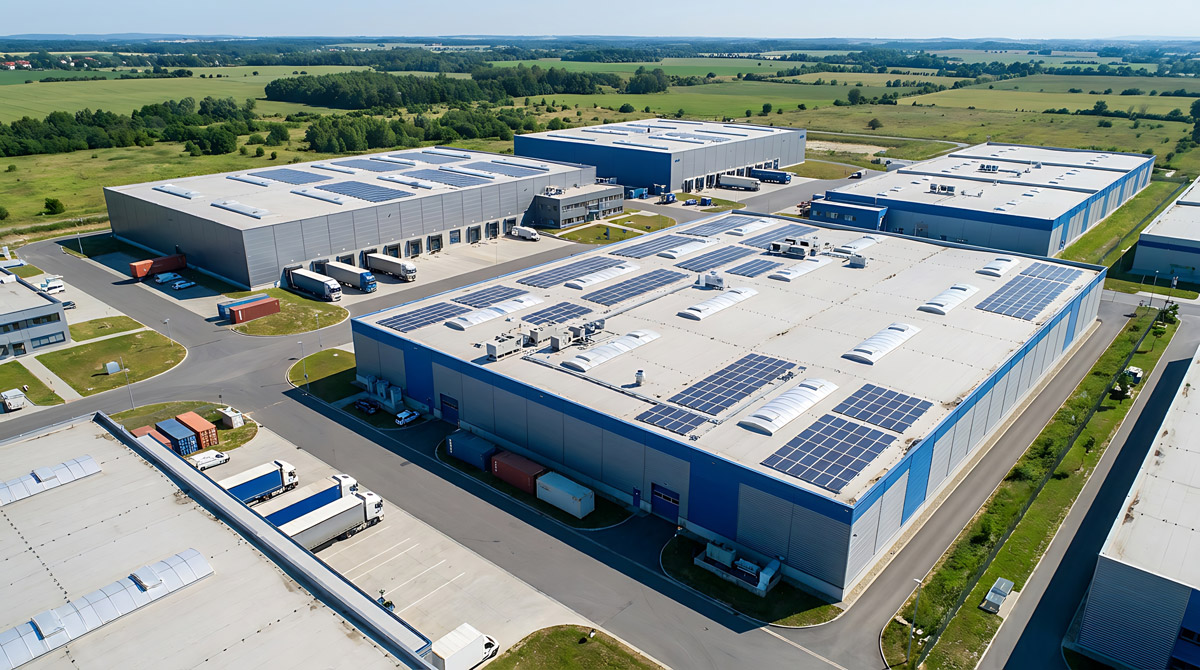
A brand that has built a business serving Ontario and Quebec from a single distribution point eventually runs into the same wall. Western orders are growing, transit from the GTA takes most of a week, freight cost per unit is higher than anywhere else in the country, and customers in Vancouver and Calgary are comparing that service against competitors who are already local.
At that point the question is not whether to put inventory in the west. It is where, and how much commitment to make before the volume justifies it.
Why Calgary Usually Wins the Inland Decision
Vancouver is the obvious answer if the freight arrives by ocean and leaves again quickly. For a business distributing to western Canada rather than importing through it, Calgary tends to be the better base, for reasons that have little to do with marketing and a lot to do with arithmetic.
Industrial land and labour cost materially less in the Calgary region than in Metro Vancouver, where port-adjacent space is both scarce and expensive. Calgary sits on both national rail networks with intermodal capacity, so inbound containers and domestic rail freight both arrive without a secondary move. The ring road around the city means cross-town positioning does not consume half a driver's hours of service. And from Calgary a truck reaches Edmonton, Saskatoon, Regina, the BC interior and much of Montana and Idaho inside a single day.
That last point is the one that changes service levels. A western facility is not valuable because it is west. It is valuable because of how many of your customers fall inside a one-day transit radius of it.
What the Expansion Actually Costs
Businesses usually model this as a facility decision and get the wrong answer, because the facility is the smallest part of it.
Leasing space in Calgary means a multi-year commitment sized for the volume you expect rather than the volume you have. It also means racking, material handling equipment, a warehouse management system extension, and recruiting and training staff in a labour market you do not know. The fixed cost begins the month the lease starts and does not scale down if western growth arrives more slowly than forecast.
Using a third party logistics provider changes the commitment into a variable one. Space, labour and equipment are shared across many customers, so your cost moves with the pallet positions and the order volume you actually use. For a brand testing whether the west supports a second stocking location, that difference is usually what makes the test possible.
It also compresses the timeline. A leased facility is six to twelve months from decision to first shipment once fit-out, hiring and systems work are accounted for. An established 3PL can be receiving inventory in weeks.
What to Look For in a Western Provider
The providers worth shortlisting differ on a few specific capabilities rather than on general competence:
- Enough physical capacity to absorb growth, so a good year does not force a second move
- Food grade space if any part of your catalogue is edible, since mixed storage without it closes doors with retail buyers
- Bonded and sufferance capability, which lets imported goods sit without duty and tax paid until the product is needed
- Co-packing on site, because retail-ready packaging done where the inventory already sits avoids a freight leg and a handling fee
- A yard that can hold trailers and containers, which is what absorbs a surge without the warehouse backing up
- Systems integration with your ERP or e-commerce platform, rather than inventory reported by spreadsheet
- A presence in other Canadian regions, so the same provider can take on more of the network later without a new onboarding project
The last one is worth weighting heavily. A western test that succeeds usually leads to a conversation about consolidating the rest of the country, and repeating the integration work with a different provider in each region is how businesses end up with four inventory records and no single view of stock.
Sequencing the Move
The lowest risk version of this expansion does not relocate anything. It holds a limited range of fast-moving items in the west while the eastern facility continues to serve the full catalogue and the long tail.
That split captures most of the service improvement with a fraction of the inventory investment, because a small number of items usually accounts for the large majority of order lines. It also surfaces the operational problems, systems, replenishment cadence, allocation rules, while the stakes are still low. Expanding the western range afterwards is straightforward. Unwinding a full duplicate catalogue that was never needed is not.
The practical question to settle early is replenishment. A western facility that runs out between inbound shipments delivers worse service than no western facility at all, which is why inbound transportation planning belongs in the decision rather than after it.
Our Calgary Operation
18 Wheels has been warehousing and moving freight for Canadian businesses since 1989. Our Calgary facility sits in Rocky View County with over 200,000 square feet of warehousing space, more than 30 loading docks and a gated storage yard, including food grade and temperature-controlled capability and bonded and sufferance storage.
It is one of more than ten warehouse locations across our network, which means a brand that starts with Calgary can add British Columbia or Ontario capacity later without starting a new relationship. The full range of warehousing services is available from the same site, including co-packing and e-commerce fulfillment.
If you are weighing a western distribution point, tell us what you ship, where your western customers are and what your inbound looks like. Call 587-332-5252 or request a quick quote.