

 1-877-999-8489


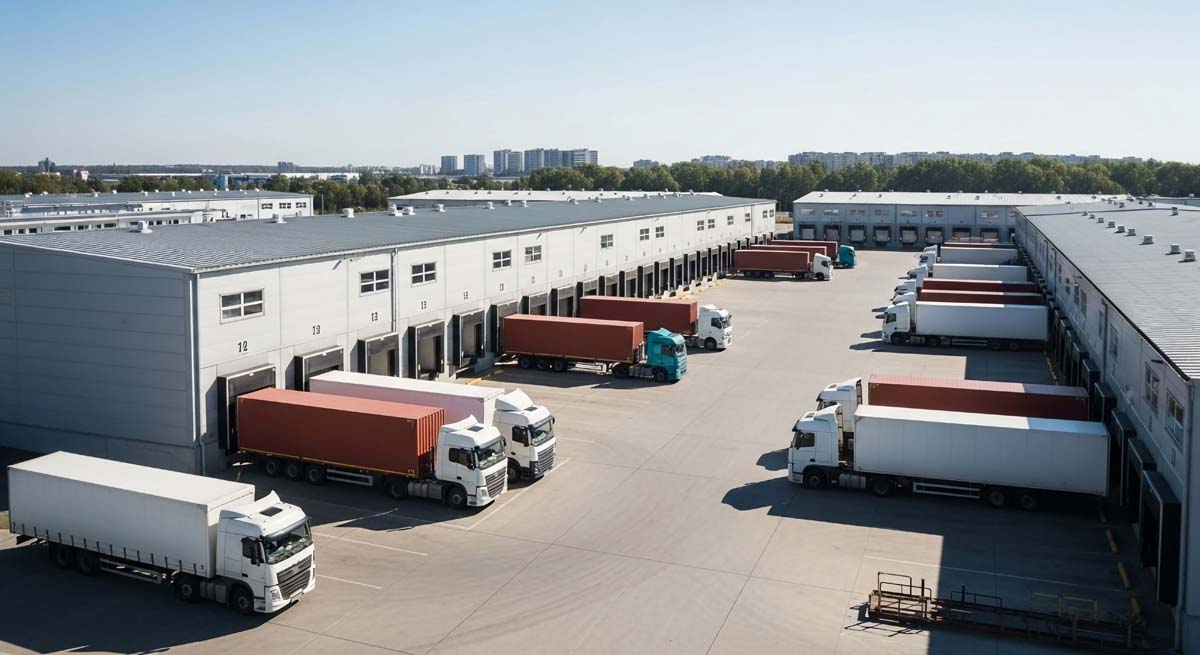
On that day the arrangement is the only thing that matters. A broker whose load has broken down is making phone calls. A carrier that owns the truck is dispatching a mechanic and reassigning the freight, usually before the customer has been told there is a problem.
Asset-Based and Brokered Are Different Products
A freight broker arranges capacity. They have relationships, software and buying power, and for a shipper with occasional loads on varied lanes they are genuinely useful.
What a broker does not have is a truck. When capacity tightens, when a driver cancels, or when a unit fails on the highway, the broker's options are the same options you would have: find somebody else, at whatever the market is charging that afternoon.
An asset-based carrier owns the equipment and employs the drivers. That changes what can be promised, because the capacity is on the books rather than sourced, and it changes what happens during a disruption, because the recovery is an internal decision.
Neither model is wrong. What is wrong is assuming you have one when you have the other, and plenty of shippers find out only when they need the difference.
Maintenance Is a Service Level, Not an Overhead
The connection between a carrier's shop and your delivery date is more direct than it appears.
Commercial vehicles in Alberta operate under the National Safety Code, which requires a maintenance programme with records, daily pre-trip inspections by drivers, and periodic mandatory inspections of each unit. That is the floor. What separates carriers is what happens above it.
A carrier running a proper preventive programme replaces components on a schedule rather than after they fail. That means fewer roadside breakdowns, which means fewer late deliveries, which means fewer of the phone calls that start with an apology. A carrier deferring maintenance to keep units earning will look cheaper for a while and will generate more disruptions, and the cost of those disruptions lands on the shipper rather than on the carrier.
There is a safety and compliance dimension as well. Vehicles taken out of service at an inspection station stop with your freight on them, and a carrier with a poor inspection record attracts more attention at the scales, which means more delays even on the trips where nothing is wrong.
What an In-House Shop Changes
The practical difference between a carrier with its own mechanics and one that books outside service is measured in days.
An outside shop works to its own schedule. A unit needing attention joins a queue, and in a busy period that queue is long. Common parts may have to be ordered. Diagnosis starts from scratch because the shop does not know the vehicle. Through all of it the truck is not earning and the freight it should be carrying is sitting somewhere.
An in-house shop reverses each of those. Work is scheduled around the fleet's own operating pattern rather than around another customer's. Parts for the units actually in service are stocked. Mechanics know the history of each vehicle, which makes diagnosis faster and makes recurring problems visible rather than being treated as new each time. A unit can come in overnight and be back out in the morning.
Our Rocky View facility includes two mechanic shop bays and a truck and trailer wash bay on the same site as the warehouse, and the fleet is maintained daily by our own mechanics. That is what maintenance means in practice: the people who fix the trucks work where the trucks are.
Refrigeration Is Where This Gets Expensive
For temperature-controlled freight the maintenance question stops being about delay and becomes about the value of the load.
A tractor breakdown is a schedule problem. A reefer unit failure is potentially a total loss of the product inside, and unlike a mechanical breakdown it can happen quietly: the unit continues running, the temperature drifts, and nobody knows until the load is received and rejected.
Preventing that is specific work. Pre-trip reefer checks before loading rather than after. Routine servicing of the refrigeration unit itself, which is a separate discipline from truck mechanics. Verifying that a trailer actually holds temperature before product goes in. Maintaining door seals and insulation, which degrade invisibly. And in this province, maintaining heaters as carefully as refrigeration, because for much of the year the risk to a load is freezing rather than heat.
A carrier that services its own reefer and heater units catches those problems during maintenance instead of during a delivery. It is one of the clearer arguments for keeping transportation and the shop under the same roof, and it matters most on exactly the loads where a failure costs the most.
Winter Makes All of It Sharper
Alberta conditions put demands on equipment that milder climates do not, and they are predictable enough to prepare for.
Cold affects starting, batteries, air system moisture that can freeze in lines, fuel gelling, tyre pressure and the behaviour of every seal and hose on the vehicle. Block heaters have to work. Winter fuel treatment has to be managed rather than assumed. Air dryers have to be serviced before the first cold snap rather than after the first frozen brake line.
A fleet prepared in October runs through February. A fleet that treats winter as an event rather than a season spends it recovering from breakdowns, and the freight on board spends it waiting.
What to Ask a Carrier
Five questions separate asset-based carriers from the rest, and they are reasonable to ask of anyone moving your freight:
- Do you own the equipment that will carry my freight, or will this load be brokered to another carrier
- Who maintains your fleet, and is the work done in house or contracted out
- What does your preventive maintenance schedule cover, and how are records kept
- What happens if a unit fails mid-trip with my freight on it, and how quickly can it be recovered
- For temperature-controlled loads, who services the refrigeration units and what pre-trip verification is done
A carrier running its own equipment answers all five immediately. A broker will answer the first one honestly if asked directly, and that honesty is worth more than a vague reassurance.
Where It Shows Up in Your Numbers
The benefit of an asset-based carrier with its own shop is mostly an absence, which is why it is undervalued.
There are fewer missed appointments, fewer chargebacks from retail receivers, fewer expedite charges to recover a schedule, and fewer rejected temperature-controlled loads. None of those appear as a line marked saving. They appear as a year in which the freight simply arrived, which is what full truckload service is supposed to produce and frequently does not.
Talk to Our Calgary Team
Pacific Coast Distribution has been an asset-based warehousing and transportation company since 1999, with facilities in Langley and Calgary. Our Rocky View site at 510 Carmek Blvd SE runs 60,000 square feet of SQF and HACCP certified ambient warehousing, 17 dock-level doors, an eight acre secured property, two mechanic bays and a wash bay, with a GPS-tracked fleet maintained by our own people. More detail is on our about page.
Tell us the lane, the freight and the timing, and we will tell you what we can commit to. Call 1-877-999-8489 or get in touch.